nervous_system_regulation

From Burnout to Balance: Nervous System Regulation

October 30, 20257 min read

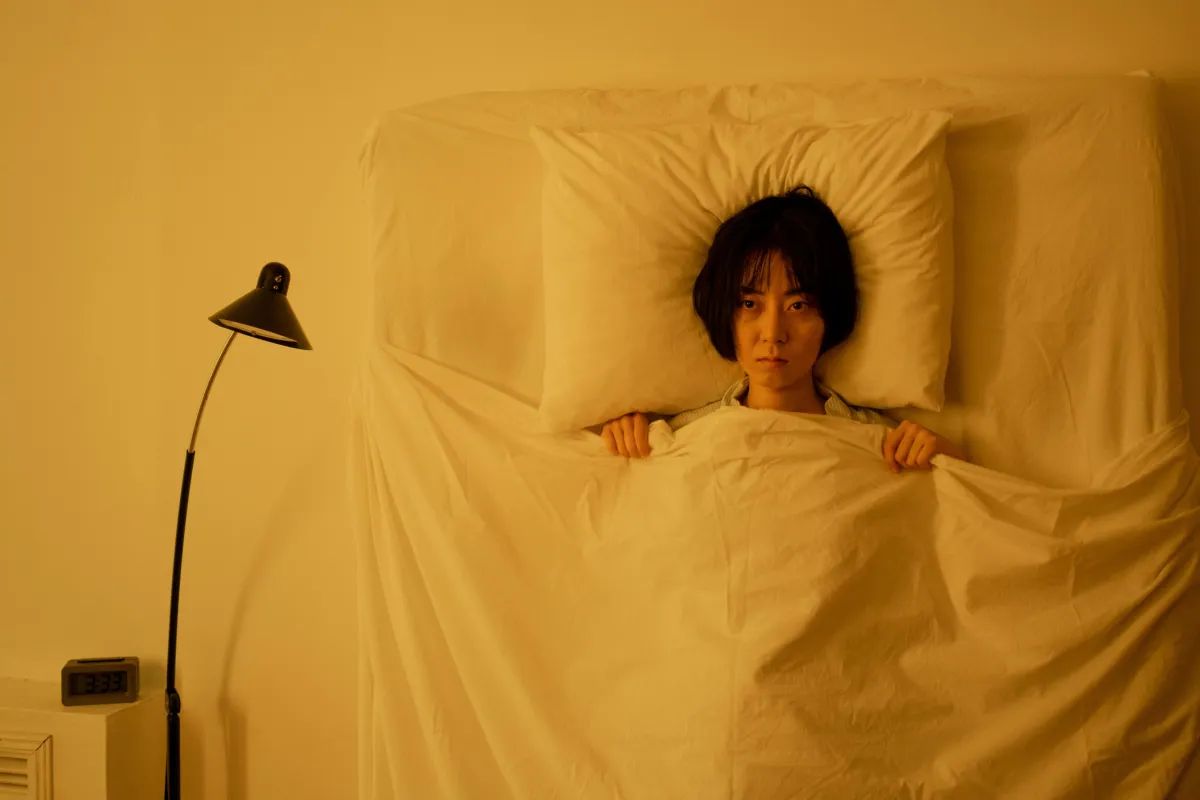
Burnout rarely shouts its arrival. Instead, it slips in quietly through restless nights, mounting frustration, or that persistent sense of being stretched too thin. For many recovering from trauma or injury, these symptoms aren’t just fleeting signs of stress. They are messages from a nervous system on high alert, stuck protecting you and unable to guide you fully back to calm.

If you find yourself lying awake despite exhaustion, or your body remains tense even when you try to rest, know that what you’re experiencing is not a personal failing. Your nervous system is doing what it was designed to do: keep you safe. The challenge comes when it hasn’t learned how to settle after the stress has passed.

Let’s consider the analogy of being chased by a lion, a situation I'm grateful we don't usually find ourselves in today, but something our ancient ancestors likely had to deal with and so our nervous systems are equipped to handle. Your body’s stress response springs into action, helping you escape danger with a surge of energy and focus. Once you’ve outrun the lion or the danger is gone, your system then resets and allows you to rest. Things going well, you and your family had lion for dinner, if they didn't, the lion had you for dinner, either way, the situation was resolved. This was meant for moments of crisis, not for the endless pressures of modern life. We aren’t built to live in this heightened state day after day.

This is where nervous system regulation makes a difference. It isn’t about forcing yourself to relax or simply “pushing through.” It’s about guiding your body back into safety and rest, teaching it that it no longer needs to stay in survival mode. When you support regulation, everything in life begins to shift.

Understanding Your Nervous System's Role in Stress and Recovery

Your nervous system is your body's command centre, determining how you respond to both threat and safety. It consists of two main branches: the sympathetic and the parasympathetic. The sympathetic branch gears you up to face danger, the famous "fight or flight" response, like when you’re running from that lion. In contrast, the parasympathetic branch helps you recover, guiding your body back to rest and healing once the danger is over.

When trauma, chronic stress, or injury interferes, this natural rhythm is disrupted. The sympathetic system gets stuck in high gear, keeping your body alert long after real threats have passed. Your mind races, your heart pounds, and sleep becomes a struggle. You remain on guard, unable to truly relax.

Living in this state is exhausting. It drains your energy, weakens your immune system, and muddles your thinking. It’s important to know that you are not broken; you are coping with a nervous system that needs help finding its balance.

The hopeful news is that you can teach your system to return to calm, where the parasympathetic system can take the lead once again. With the right support and tools, you can encourage your body to rest and recover, even after long periods of stress.

What Nervous System Regulation Actually Means

Regulating your nervous system means helping your body sense safety so it can shift out of survival and into recovery. You don’t have to pretend stress isn’t there or ignore what you’re feeling. The goal is to create new patterns, so your body learns what calm truly feels like.

You know regulation is happening when you can:

Learning to regulate is a gradual practice. It benefits from patience, compassionate support, and consistent techniques. Over time, your body learns how to step away from constant alertness and settle into genuine rest.

The Connection Between Trauma, Sleep, and Regulation

When the nervous system is dysregulated, restful sleep often becomes one of the first casualties. If your body believes danger is present, it will resist letting you drop into deep rest. The brain remains watchful, scanning for threat, even as you long for sleep.

For many healing from trauma or injury, this cycle is all too familiar. Falling asleep feels hard, staying asleep feels harder, and waking refreshed seems impossible. The more your sleep suffers, the more vulnerable you become to stress, and so the cycle continues.

Solving these sleep challenges takes more than new bedtime routines. You need to send your nervous system a different message, showing it that nighttime is a safe place for recovery. Guided by practices that activate the parasympathetic system, you can start to reclaim restful sleep, enhance your energy, and regain the balance you deserve.

How Nervous System Regulation Guides You Toward Resilience

Resilience isn’t about ignoring pain or soldiering on. It means having the internal resources to face life’s ups and downs without being knocked off course. This foundation starts with a balanced nervous system.

When regulation is in place, you find that you can:

Building true resilience doesn’t come from willpower alone. It starts by helping your body feel safe enough to let go of constant vigilance, allowing the parasympathetic system to promote healing and recovery. Techniques like trauma-informed coaching and hypnosis-based approaches give you practical ways to support this process.

Through guided practices, you learn to:

In time, these skills become automatic. You respond to life from a place of grounded strength, and daily challenges feel less overwhelming.

The Role of Hypnosis in Nervous System Regulation

Hypnosis is not about surrendering control. Instead, it is a gentle, focused state of mind where your unconscious becomes open to healing. For regulating the nervous system, it is a powerful tool.

Under hypnosis, your brain shifts into a more relaxed state, much like those quiet moments before you drift off to sleep. In this place, you can let go of old stress responses and invite your body to experience new, calmer patterns. Approaches such as the Target Technique for Emotional Pain Relief help process difficult feelings without being overpowered by them.

Hypnosis can also restore restful sleep, teaching your body that bedtime is a safe time for recovery. You learn how to create an inner environment where the parasympathetic system can do its essential work - repairing, refreshing, and balancing your whole being.

This is not wishful thinking. These changes are grounded in neuroscience. By working intentionally with your nervous system, you foster real, sustainable healing.

What a Regulated Nervous System Feels Like

If you’ve been holding onto survival for a long time, calm may feel unfamiliar. Here’s what regulation can bring:

Remember, calm does not mean you never feel stress. It means you have the capacity to return to yourself with steadiness, clarity, and confidence. This is the gift of nervous system regulation.

Moving from Burnout to Balance

You are not meant to live in a constant state of alert. You do not have to accept exhaustion, restless nights, or feeling stuck in overdrive. With understanding and the right support, you can show your nervous system how to return to balance.

The path from burnout to balance may have twists and turns. There will be moments of challenge, but, supported by trauma-informed coaching, hypnosis, and compassionate guidance, lasting change is possible.

Your nervous system has a remarkable ability to heal. It simply needs the right conditions: support, safety, and a chance to restore. That journey can begin right now.

If you are ready to step out of survival mode and return to calm, energy, and deep rest, take the first step today. You deserve the chance to thrive, to move forward with peace, and to feel supported every step of the way.

Book a clarity call today.Together, we can talk about where you are and where you want to be, and find the tools that help your nervous system finally come home to itself. You are worthy of rest and genuine recovery, and I look forward to supporting you on this path.

Leah Hopkinson is the founder of The Clarity Crew, a sleep and recovery coaching practice dedicated to guiding individuals from burnout to balance. With expertise in trauma-informed coaching, nervous system regulation, and stress recovery, Leah offers a compassionate and supportive approach to healing. Her work empowers clients to reclaim restorative sleep and build lasting resilience. Through The Clarity Crew, Leah helps you clear the noise and find your peace.

Leah Hopkinson

Leah Hopkinson is the founder of The Clarity Crew, a sleep and recovery coaching practice dedicated to guiding individuals from burnout to balance. With expertise in trauma-informed coaching, nervous system regulation, and stress recovery, Leah offers a compassionate and supportive approach to healing. Her work empowers clients to reclaim restorative sleep and build lasting resilience. Through The Clarity Crew, Leah helps you clear the noise and find your peace.

LinkedIn logo icon
Back to Blog